

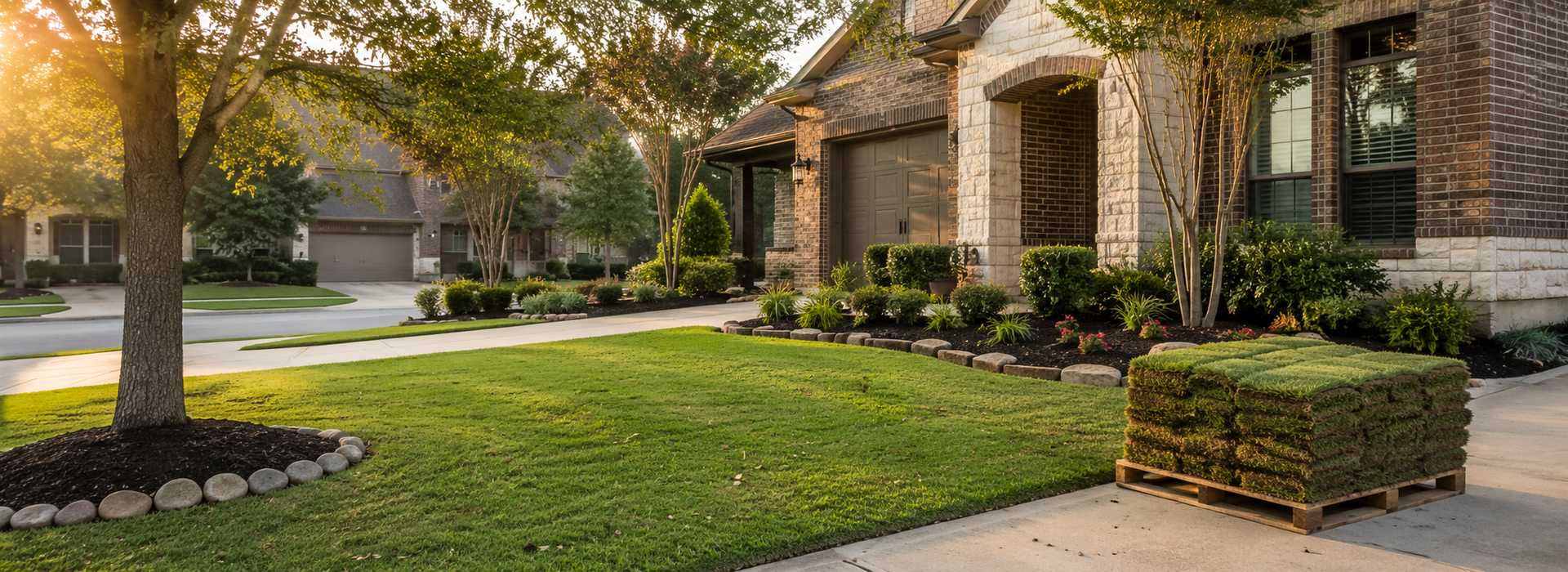
Early fall can be a good time to install sod in Houston and Fort Bend County while soil stays warm. Learn the benefits, limits and care requirements.
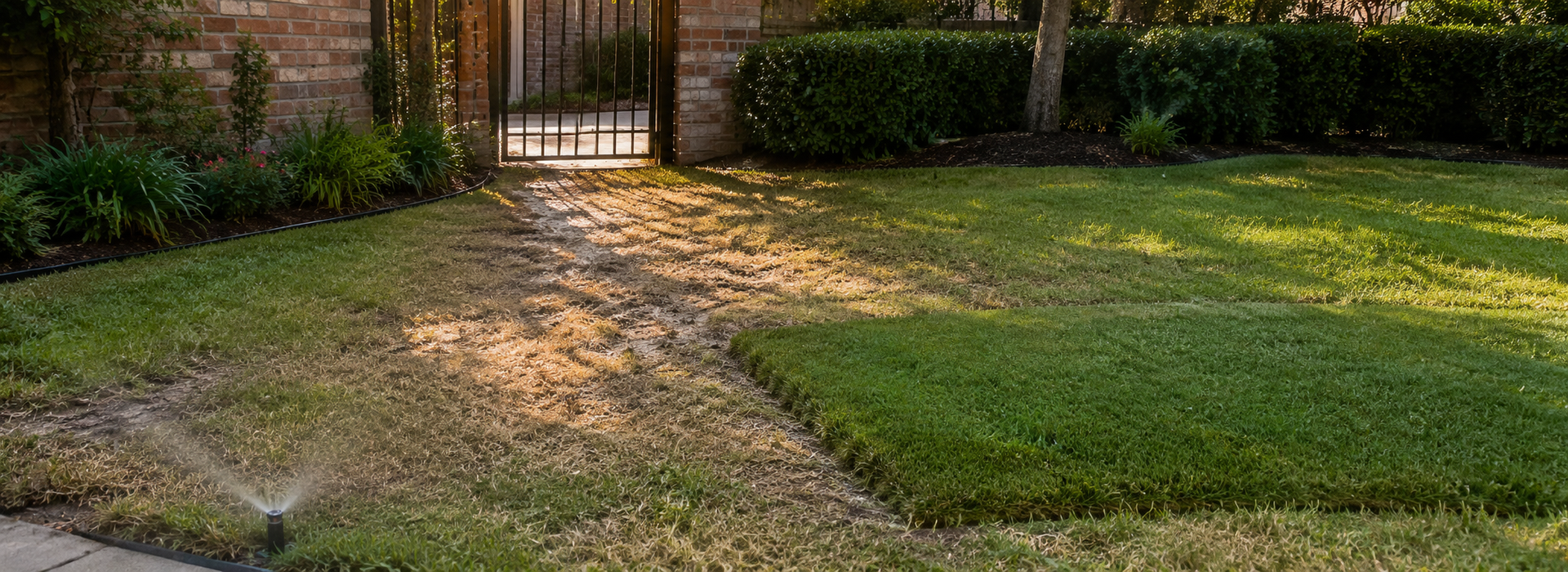
Learn when to patch damaged grass and when full sod replacement makes more sense after Houston heat, drought, traffic, pet damage or irrigation problems.
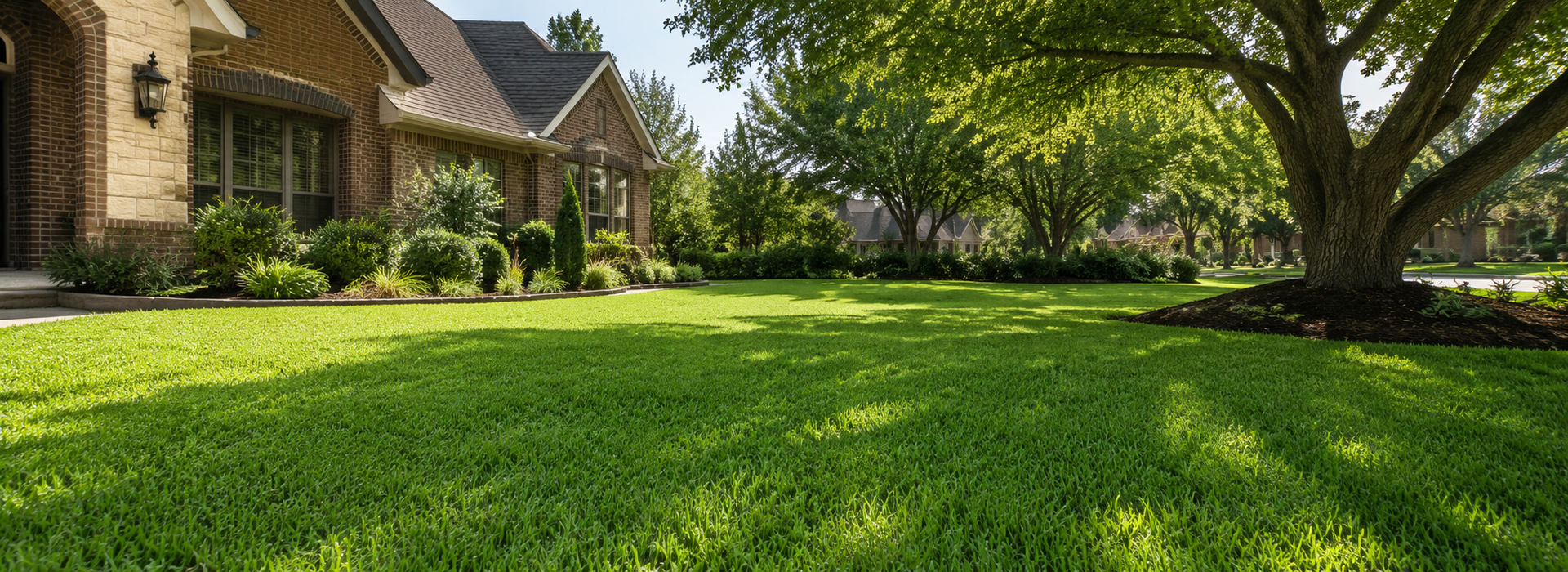
Compare Bermuda, Zoysia and St. Augustine for drought tolerance, shade, traffic and recovery to choose the right grass for a Houston-area lawn.
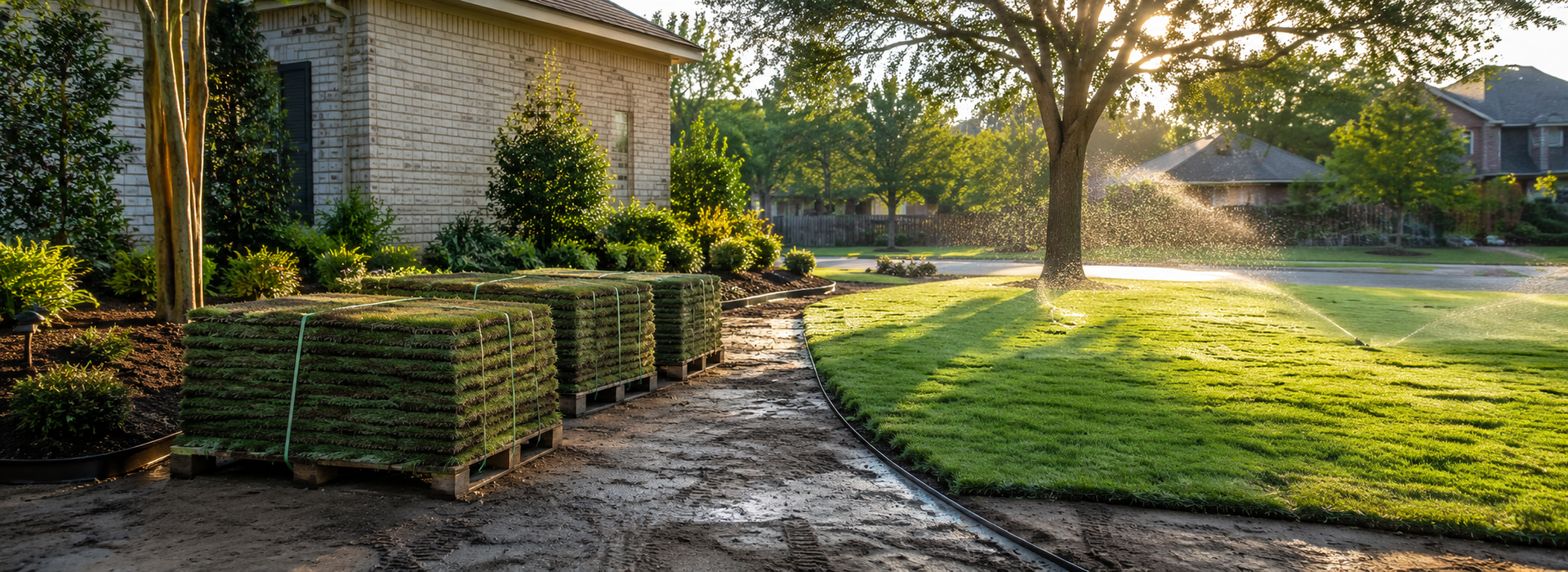
Sod can be installed in July in Houston when the soil, delivery, installation crew and watering plan are ready. Learn what to do before ordering.
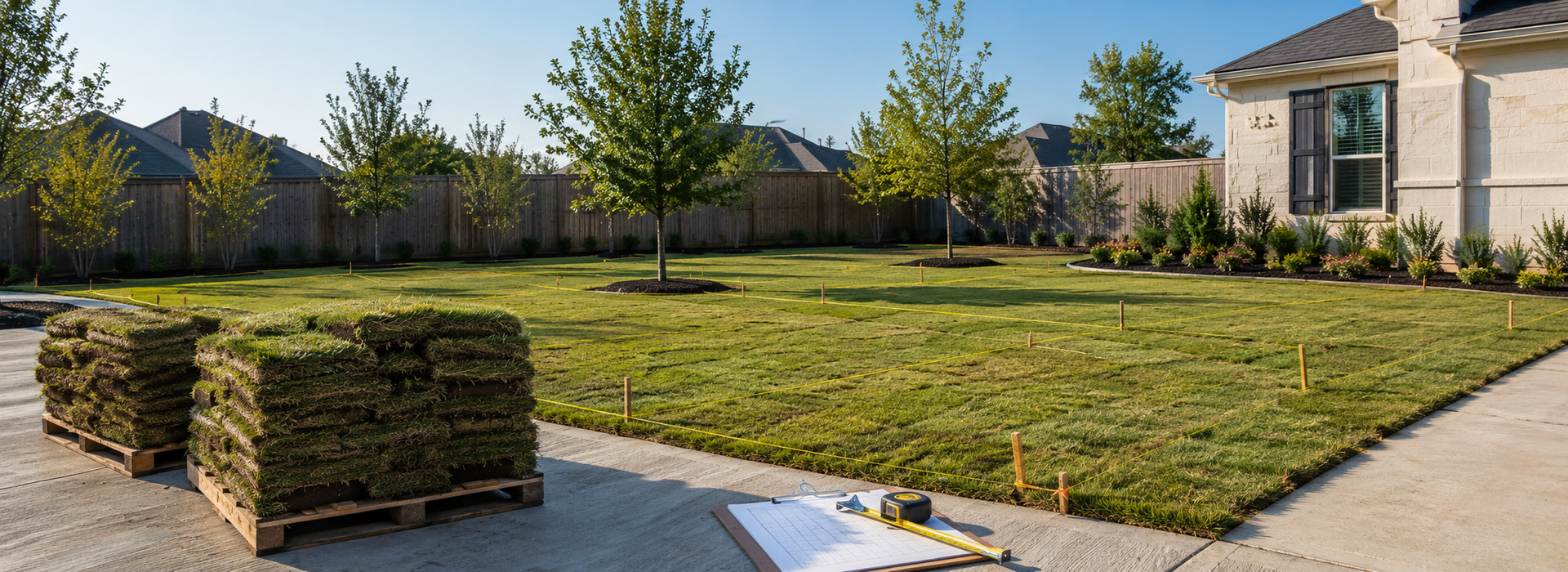
Learn how to water new sod in Houston heat, prevent dry seams and runoff, adjust for rain and help St. Augustine, Bermuda or Zoysia take root.

Compare St. Augustine, Bermuda and Zoysia to choose the best grass for Houston lawns based on shade, sunlight, traffic, drought and maintenance needs.
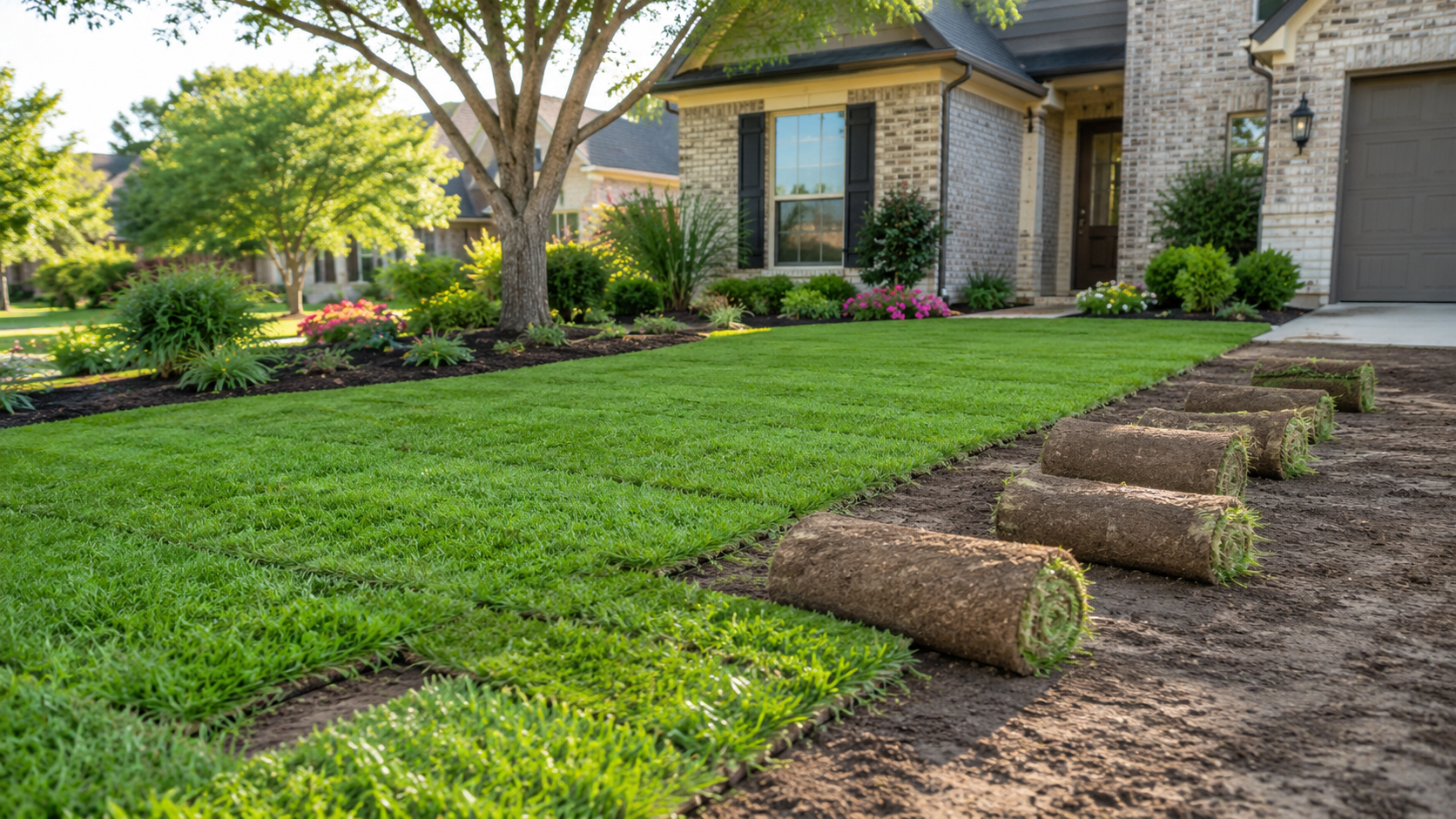
Learn the best time to install sod in Houston, including spring timing, weather conditions, grass growth, yard preparation, delivery and seasonal care.

Prepare your Fort Bend County yard for spring sod with practical guidance on soil testing, drainage, grading, irrigation, measurements and delivery timing.
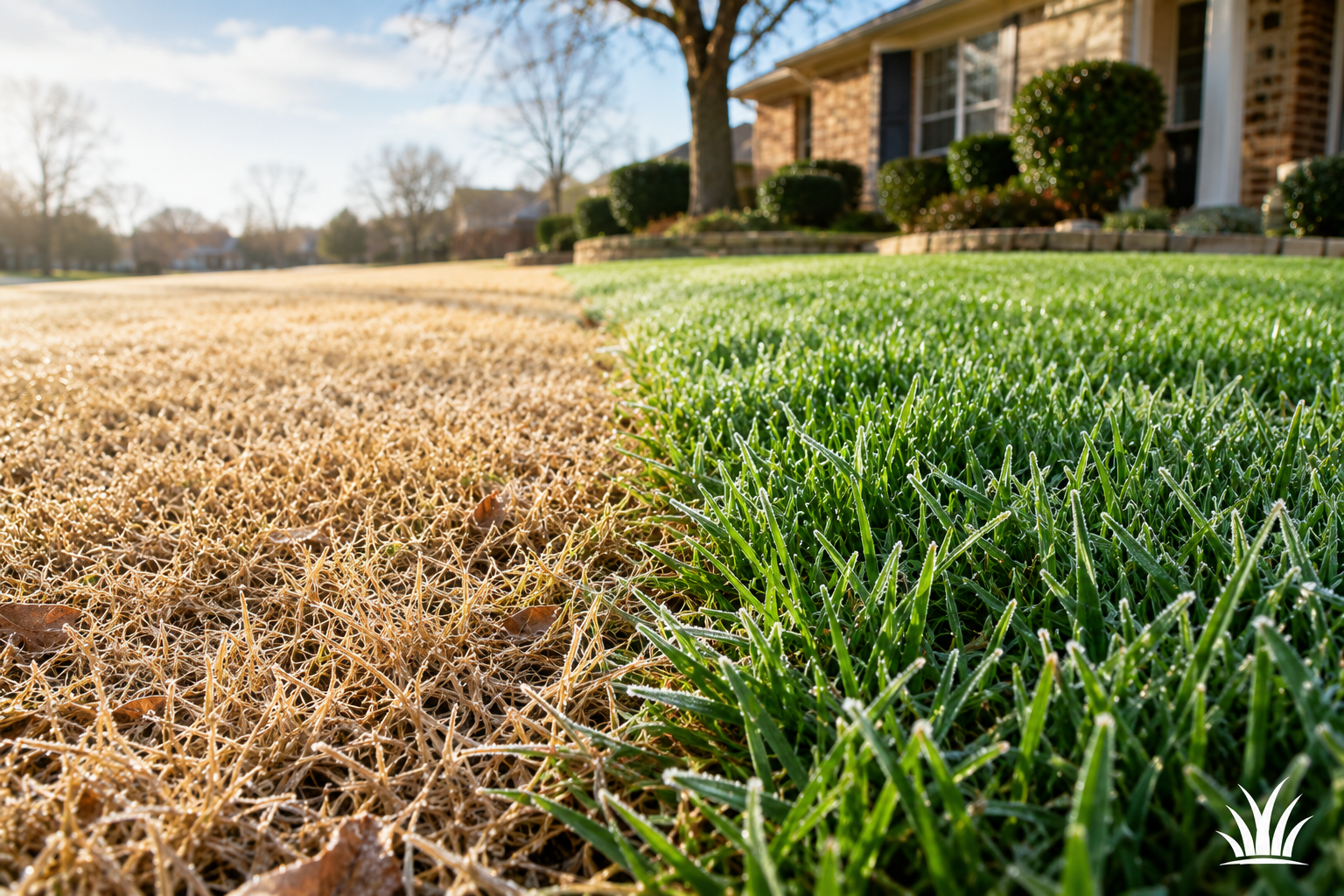
Is a brown Houston lawn dead or dormant after a freeze? Learn how to recognize winter dormancy, cold damage and grass that may need replacing.
Rethink expectations in deep shade Grass is a sun plant. Under heavy canopy, even St. Augustine will thin over time. In those pockets, the better answer is to pivot to beds. Build a simple shape, improve the soil, and plant for texture and color that read well in low light. The yard looks finished year round and you stop fighting bare spots. This approach also reduces water use because you are not trying to push turf where it does not want to live. Soil work matters more in shade Shady soil stays cooler and can hold moisture longer, yet it often starts compacted after construction. Loosen the top few inches. Blend in compost across the surface, then rake level. You are not tilling a farm field. You are opening up the root zone so water moves through and oxygen reaches roots. In beds, add a little more compost than you would for turf and set plants slightly high to avoid soggy crowns. Finish with mulch from our Mulch page to keep temperatures steady and slow evaporation. Irrigation that respects shade Sprinkler systems are usually set for the sunniest zone, which overwaters everything else. Shade needs less frequent, deeper drinks. Run a short cycle in the early morning, then wait and check the soil with a probe. If the top few inches still feel damp by evening, you can skip the next run. In tree beds, water at the drip line rather than right at the trunk. In narrow side yards shaded by fences, watch for puddling along the low edge and reduce run time there. If you are hand watering, a simple hose-end sprinkler placed for thirty minutes in the early morning is often enough. Plant choices that thrive under trees In our area, light shifts not only by season but by tree species. Live oaks cast moving, dappled shade that many plants enjoy. Smaller ornamental trees like crepe myrtles allow bright morning light and soft afternoon light. Build plant groups that use those windows. Broad, glossy foliage reads clearly from the street. Fine textures fill gaps and soften edges. Use flowers for seasonal highlights rather than the entire show. Healthy green feels lush in shade even when blooms are between cycles. If you want help pairing shapes and bloom times for your exact light, come walk the options on our Flowers, Plants, and Shrubs page or visit the nursery and we will talk through your layout. A simple path to installing shade-friendly turf Begin by clearing debris and lowering high spots that would block flow. If roots of mature trees are near the surface, do not cut them. Add a shallow layer of compost, then rake a smooth plane. Pre-water the soil so it is moist, not muddy. Lay sod in the coolest part of the day and press seams tight. In shade, firm contact is even more important because growth will be slower at first. Water each section as you lay it so it never sits dry. Roll lightly after the first soak to remove air pockets. For the first two weeks keep the surface evenly moist. Then switch to deeper, less frequent watering as roots knit. Mow high and take off only a little at a time. Longer blades gather more light, which matters in these conditions. Beds that look intentional, not busy A shaded yard does best with a calm layout. Aim for wider bed shapes with gentle curves rather than skinny strips that dry out. Repeat a few plant types across the space so the eye reads unity. Use edging that is easy to maintain. A clean spade edge works well where roots are shallow. For a permanent border that will not wash out, choose a small load from our [Landscape Rocks] options and set a subtle line. Top beds with two to three inches of mulch, then pull mulch back from stems by a couple of inches to prevent rot. Refresh the top inch once a year to keep it tidy and keep weeds down. Maintenance that fits the light you have Shade lawns do not want the same schedule as open fields. Fertilize lightly and less often. Heavy feeding pushes soft growth that attracts fungus when nights are humid. Keep blades sharp and mow at the higher end of the recommended height for your grass type. Remove fallen leaves before they mat down. Thin layers are fine for a week or two. Thick layers can smother turf. After storms, lift branches and clear gutters so downspouts do not dump onto one spot and turn it into a wet patch. Seasonal rhythm for year one and beyond In spring, trim back shrubs that block new light and top dress thin turf areas with a light sprinkling of compost. Early summer, check irrigation coverage before heat arrives. Adjust heads that now spray tree trunks rather than turf. Mid to late summer, watch for wear along paths where people take the same line to gates. Add a stepping path or a narrow gravel ribbon so the lawn can rest. In fall, refresh mulch and add cool-season color where you want a lift. Winter is a good time to reshape beds because leaves are down and you can see the bone structure of the space. Use that view to simplify, not complicate. Project planning for new construction and job sites New homes often have compacted soil and young trees that cast thin shade now but will create a different yard in five years. Plan for both moments. Choose a turf that fits the current light and be ready to transition a few zones to beds later as the canopy fills in. On active job sites, coordinate delivery so pallets land where crews need them without blocking trades. Mark irrigation boxes and new valve heads so equipment does not crush them. We can schedule morning drops through our Delivery Service and set materials close to the work to save time and strain. Quantities without a calculator For sod, measure length by width and add a little for cuts. Rounding up is safer in curves and around tree rings because tight seams look better in shade. For mulch, two to three inches is the sweet spot. Less will not hold moisture. More can smother roots. One cubic yard covers about one hundred square feet at three inches. For rock borders, a thin ribbon goes a long way and makes maintenance easier. One ton of small gravel covers roughly one hundred to one hundred twenty square feet at two inches. Pro observations from shaded yards Most problems come from expectations. People try to grow a stadium lawn under a canopy and the lawn argues back. The yards that work feel calm and deliberate. They accept that turf is for the open zones and plants are for the rest. Another common issue is watering every zone the same. Shade needs fewer days, not just shorter minutes. Finally, edges matter. Where turf meets beds, a clean line carries more visual weight than twice the number of plant types. Mistakes to avoid Do not scalp shaded lawns. Cutting low in an effort to let light in weakens turf. Do not pack beds with thirsty plants that look good for a week then fade. Pick sturdy selections suited to low light. Do not lay sod on dry soil in summer shade. The surface may feel cooler but it still draws water from new roots. Pre-water the soil and keep the surface evenly moist during week one. Budget and timeline You can refresh a shade front yard over two weekends. One for bed shaping and soil work. One for sod and planting. Delivery of sod, mulch, and stone saves back and forth trips and keeps the work flowing. We can place pallets near the laydown area when access allows, which reduces wheelbarrow runs. If you are phasing the project, start with soil correction and bed shape. Good bones make everything else easier. Sustainability without extra effort Right plant in the right place is the most water wise step you can take. Compost improves soil structure so water soaks in rather than running off. Mulch keeps temperatures steady and reduces evaporation. Early morning watering reduces loss to wind and sun. A lawn that fits the light needs fewer inputs and stays healthy on a simpler schedule. Quick questions we hear often Can I keep grass under my live oak Yes, if the canopy is thinned properly and the area receives a few hours of light. St. Augustine is the usual pick. If it still struggles, convert the darkest ring to a bed and the rest will strengthen. Why does my shaded lawn get fungus Moist nights, heavy feeding, and close mowing are the usual trio. Ease up on fertilizer, raise the mowing height, and water in the morning only. Will Zoysia work in light shade Yes, in partial sun it does well and looks polished. In heavy shade it will thin. Match the variety to your actual hours of light. Do I need to remove surface roots Avoid cutting large roots. Build shallow beds around them and plant between the roots. Use mulch to protect the area and conserve moisture. How often should I refresh mulch Once a year is typical. Add a light top-up to keep the depth near two to three inches and to keep beds neat. Bringing it all together A lush shade yard is not complicated. It is honest about light, careful with soil, and calm in layout. Choose turf where it can thrive. Use beds where grass will always fight. Water with a schedule that matches each zone. If you want help measuring light or choosing the right sod and plants, stop by Speedy Grass & Nursery. You can also review options on our Sod Types , Mulch , Landscape Rocks , and Flowers, Plants, and Shrubs pages. When you are ready, we will size your order and schedule a delivery to your home or job site through our Delivery Service . Call or visit today and let us get your project growing.